If you’ve started training your dog and wondered, “Okay, but how long is this actually going to take?” the answer depends on your dog and what you’re working toward.
Some dogs pick up a new skill after a few short training sessions. Others need more time, repetition, or a chance to get comfortable before things start to click.
The truth is, dog training is a lifelong process. Your dog is constantly learning, but individual skills can normally be taught within a few days, weeks, or months. Age, previous experiences, motivation, personality, and the difficulty of the skill can all influence the timeline.
So, how long does it take to train a dog? Here’s what owners should know.
How Long Does It Take to Train a Dog?
For a specific skill, training can take anywhere from a few days to several months.
Teaching your dog to sit in a quiet room with a reward may only take a few days. Getting that same reliable sit around other dogs, people, noises, and all the other interesting things happening around them? That takes more practice.
More complex training goals can take considerably longer. Service dog training, for example, is a minimum two-year process beginning in puppyhood, followed by continued training throughout the dog’s life.
Learning a skill is one thing. Doing it consistently in different situations is another.
What Factors Affect How Long Dog Training Takes?
Put two dogs in a room and teach them the exact same skill, and you may end up with two very different timelines. A few things can influence how quickly your dog learns.
Your Dog’s Age
Age matters when it comes to training. Dogs need to be developmentally ready for what you’re asking them to learn, and puppies, adult dogs, and senior dogs can all have different needs.
That doesn’t mean an older dog can’t learn new things. Dogs can continue learning throughout their lives. Your approach and expectations may just look a little different depending on where your dog is in life.
Previous Socialization and Experiences
Your dog’s previous experiences can play a role, too.
A dog who is comfortable meeting new people, visiting unfamiliar places, and experiencing new situations may be ready to jump into training more easily. A fearful or anxious dog may need more time to acclimate before they’re ready to focus on learning a new skill.
Your Dog’s Personality and Intelligence
Just like people, dogs learn differently. Some pick up new concepts incredibly quickly. Others need more repetition before something sticks.
And a “super-smart” dog isn’t always the easiest student.
Highly intelligent dogs may understand a concept quickly and then seem to ask, “Okay, but why
should I do that?” Meanwhile, a dog who takes a little longer to understand something may end
up doing incredibly well once they get it.
Motivation
Food, treats, toys, praise, and other rewards can make a big difference in keeping your dog interested in what you’re asking them to do.
If your dog couldn’t care less about the reward you’re offering, convincing them that a command is worth their time can be a little more difficult. Finding what motivates your dog can help keep them engaged and make training more fun.
How Training Timelines Differ by Skill, Behavior, and Goal
Not every behavior is equally difficult to teach.
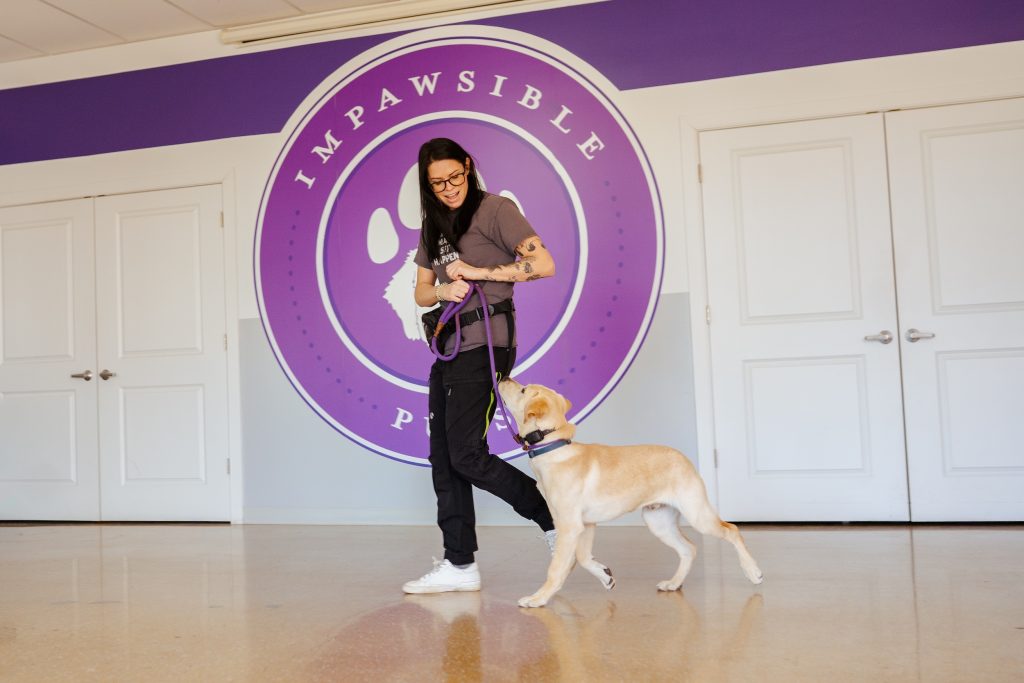
“Sit” is a good example. Sitting is something dogs naturally do, which makes the behavior relatively easy to mark and reward.
A more unusual skill, like “sit pretty,” might take longer simply because it isn’t something your dog naturally does.
Your goal matters, too! Teaching your dog to sit in your living room with a reward in your hand is one thing. Asking for that same sit in public with distractions all around is another.
The command hasn’t changed, but what you’re asking of your dog definitely has.
What Progress Should You Expect During Dog Training?
Progress isn’t always a straight line.
Many dogs can learn a new skill within a few short training sessions and then continue building on it through practice. Other dogs need more time
Instead of looking for constant forward momentum, pay attention to whether your dog is staying engaged. A dog who becomes overwhelmed or is pushed too hard may shut down, and progress can slow down or even seem to move backward.
Training isn’t a race. Staying engaged and continuing to learn matters more than hitting a specific timeline.
How Many Training Classes Should My Dog Do?
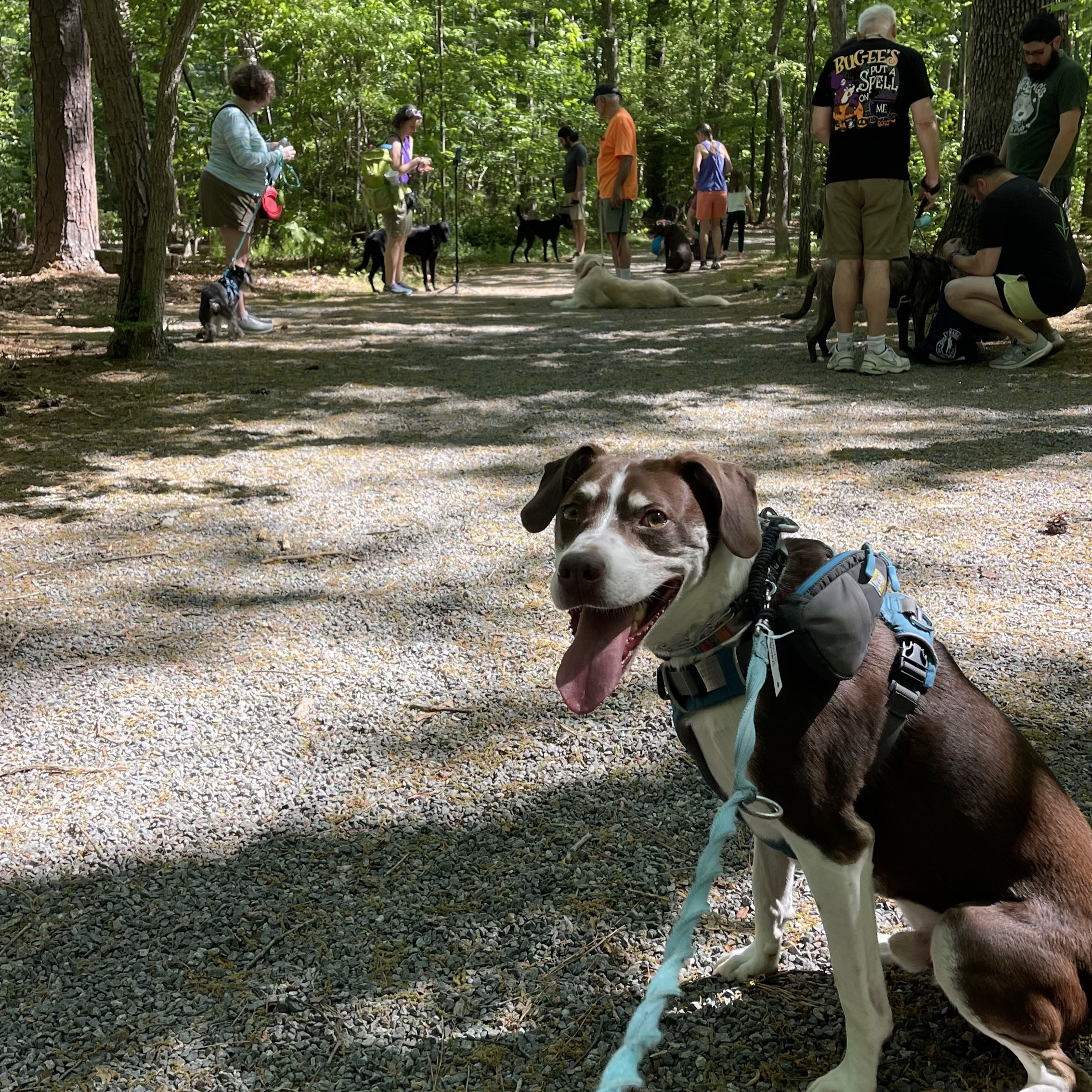
There isn’t one magic number. Many group classes involve five or six sessions, while others are ongoing and continue to evolve as dogs and their owners progress.
Classes aren’t just about checking another command off the list, either. Working around other dogs and people gives you and your dog a chance to practice in a different environment. You also get to learn from other owners and trainers along the way.
That’s part of what makes group classes so valuable. Someone else may ask a question you hadn’t thought of or be working through something you recognize from your own dog. There’s a bit of a “hive mind” that happens when everyone gets to learn together.
As your dog progresses, your training goals may change, too. Impawsible Pups offers a variety of training classes for different needs and stages, giving you opportunities to keep learning and building on the skills you’ve already established.
Our take? Do all the classes! There’s always something new you and your dog can learn.
When Should You Consider Professional Dog Training?
If you have a dog, consider making a professional trainer one of your resources.
Connecting with someone who works with dogs every day can give you another perspective and someone to turn to as questions come up. It can be a valuable resource for both you and your dog, no matter where you are in the training process.
Professional training also gives you the chance to learn right alongside your dog, so you can keep reinforcing those skills long after class ends.
How Your Role at Home Affects Training Progress
Training doesn’t stop when class ends.
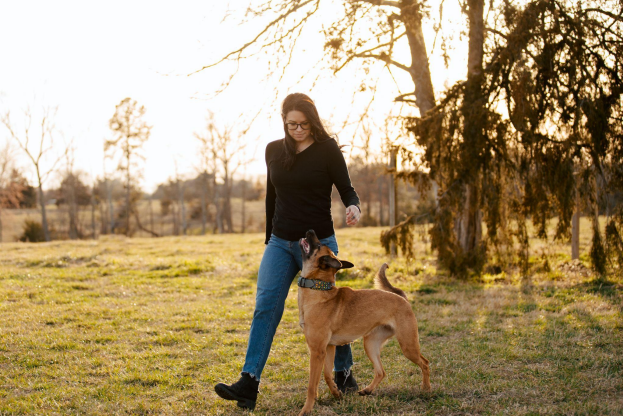
What you do at home can reinforce your dog’s training positively or negatively. You set the rules and expectations your dog encounters every day, and consistency matters.
If you want your dog to sit on command while you’re out in public, think about what “sit” looks like at home. Do you ask for it regularly? Do you reinforce it when they do it?
Look for opportunities to work training into everyday life. Ask for a sit before going outside. Practice skills your dog already knows. Give them opportunities to use those skills in different situations.
Training is about more than a few commands or showing off what your dog knows. It becomes part of your everyday routine together
Does Dog Training Ever Really End?
As long as your dog is physically and mentally able to learn, there are opportunities to keep reinforcing skills, learning new ones, and practicing together.
Your dog is constantly learning through your routines, expectations, environment, and interactions with them. Even after they’ve mastered the skills that matter most to you, continuing to use those skills helps keep them part of everyday life.
Training is a forever-and-always endeavor.
Every Dog Has Their Own Training Timeline
There isn’t a finish line you need to race toward with your dog. Some skills will come quickly, others will take more work, and you’ll probably encounter a few things along the way that make you rethink your approach entirely.
What matters is continuing to give your dog opportunities to learn and practice. Pay attention to what works for them, stay consistent at home, and remember that progress can look different for every dog.
And you don’t have to figure out the training process by yourself. The Impawsible Pups training team can help you understand where your dog is now, what you’d like to work toward, and which training option makes sense for the two of you.
Not sure where to start? Schedule a free consultation with our team, and we’ll help you figure out the next step.