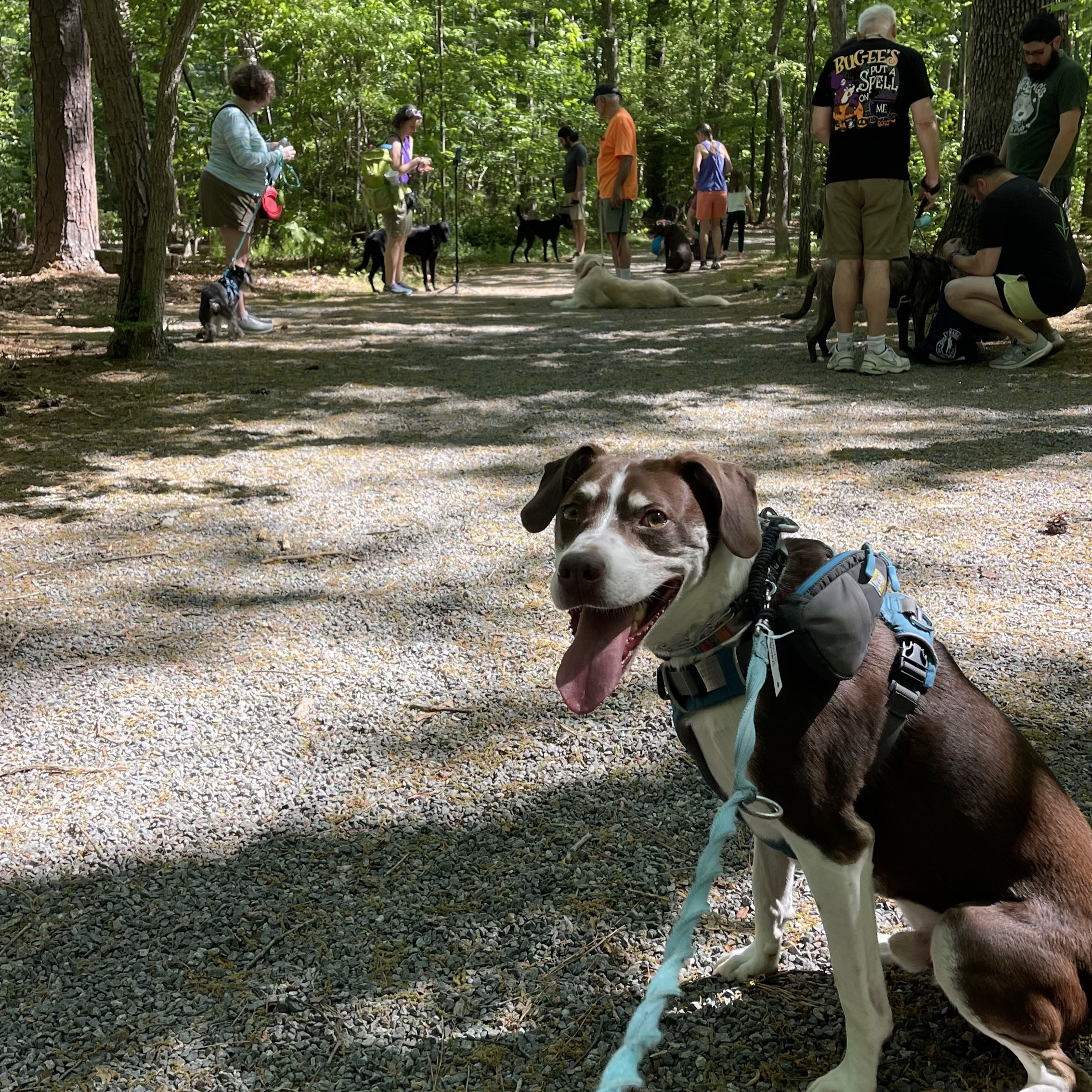
Doggy daycare should be a place where your dog can have fun, make friends, and enjoy some time away from home. But have you ever thought about what your dog might be learning while they’re there?
At Impawsible Pups in Richmond, Virginia, we spend a lot of time getting to know dogs and their personalities. And one thing we’ve learned is that the environment they’re in can have a big influence on their behavior.
That’s especially true when it comes to daycare. The way dogs play, interact with others, and handle excitement can carry over into their everyday lives. That’s why we believe daycare should offer more than an opportunity to burn off energy.
What Is Structured Dog Daycare?

Structured dog daycare is about helping dogs learn how to behave in different situations and setting expectations that can benefit them outside of daycare. This doesn’t mean your dog spends the entire day practicing obedience commands. While those commands can come in handy, structured daycare focuses more on everyday behavior.
For example, dogs can practice:
- Waiting calmly at doors and gates
- Taking breaks during playtime
- Interacting appropriately with other dogs
- Settling down after an exciting activity
- Following a consistent routine throughout the day
Your dog still gets to run, play, sniff, and socialize with their friends. The difference is that they’re also learning when it’s time to play, when it’s time to settle down, and how to navigate different situations appropriately.
These may seem like small things, but they can make a noticeable difference in your dog’s day-to-day behavior.
How Can Doggy Daycare Affect Dog Behavior?
Dogs are always learning from their surroundings, and daycare is no exception!
The experiences your dog has during daycare can influence how they interact with other dogs, respond to excitement, and handle different situations outside of daycare.
Think about it. If your dog spends several hours in an environment where playtime is the main focus, they’re getting plenty of opportunities to socialize and burn off energy. But they’re also developing habits and expectations about how to behave around other dogs.
That’s why the type of daycare environment matters.
Structured daycare gives dogs opportunities to practice appropriate social behavior alongside playtime. They learn that being around other dogs doesn’t always mean constant interaction, and that having fun can also involve following boundaries, listening to guidance, and knowing when to settle down.
Why Structure and Routine Matter in a Daycare Environment
Let’s look at what this might mean in daily life.
Picture a dog who absolutely loves group play. They’re so excited to see their friends that they rush through the gate, run straight into the play area, and spend their time chasing, wrestling, and barking with the other dogs. If that’s the only experience they have around other dogs, they may start to expect that same level of excitement every time they see one.
Now, picture that same dog attending a structured daycare.
They’re still excited to see their friends, and they still get plenty of opportunities to play. But before entering the play area, they’re taught to sit and wait. During playtime, they’re encouraged to practice good manners and take breaks. They also learn that it’s okay to be around other dogs without constantly interacting with them. Over time, these routines help establish expectations for how to behave in exciting situations.
So, when that dog sees another dog walking past their house, they may still be eager to say hello, but they’ve also had opportunities to practice pausing and thinking before acting. And that little pause can make a big difference!
Of course, daycare alone doesn’t guarantee perfect behavior in every situation. But the routines dogs practice in a structured environment can support the behaviors you’re working on at home and during training.
How Socialization and Group Play Support Better Behavior
Dogs are social creatures, and they can learn a lot from other dogs.
In fact, even with nearly 20 years of experience as a trainer, there are things a person simply cannot teach a dog as naturally as another dog can. Dogs can learn from watching and interacting with dogs who already understand appropriate social behavior.
This can be especially helpful for young dogs who are still figuring out how to communicate and interact with others.
Good socialization isn’t necessarily about making your dog play with every dog they meet. It’s about helping them become comfortable around other dogs and learn appropriate social behavior. That might mean learning how to approach another dog appropriately, when to back off, how to take a break, and how to settle down after an exciting interaction.
A structured group environment gives dogs the chance to practice those skills while being supervised by professionals who understand dog behavior.
What Role Do Dog Daycare Professionals Play?
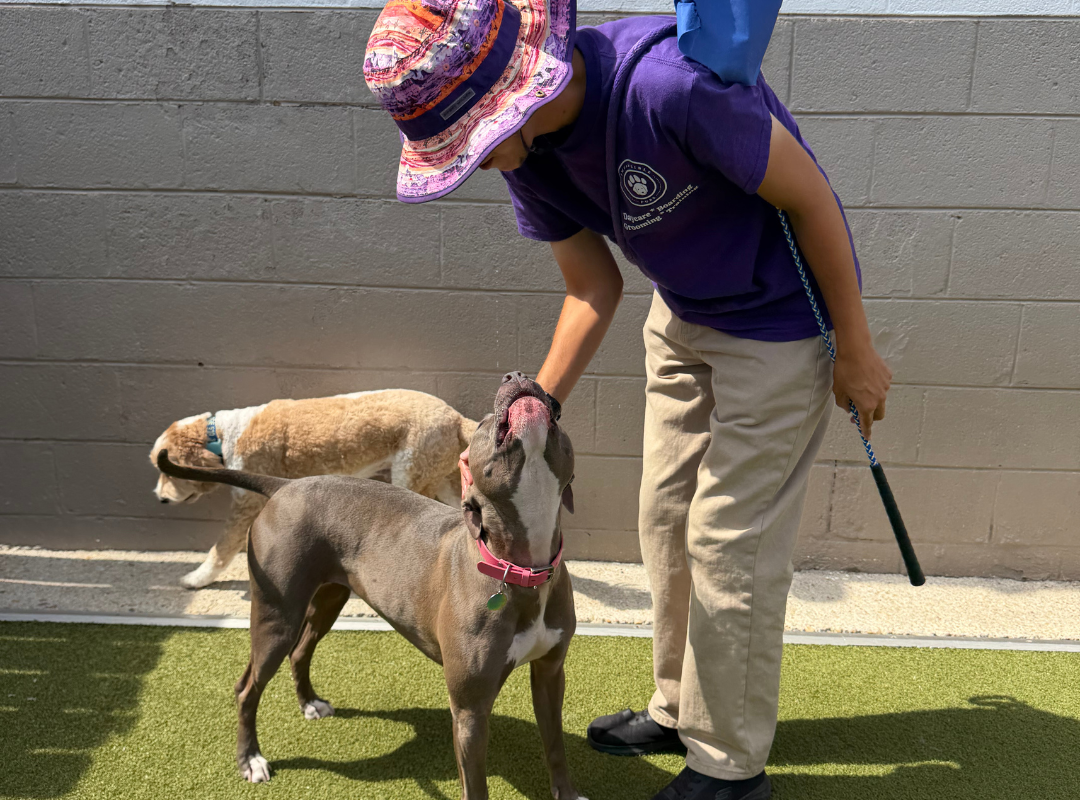
The people caring for your dog are a big part of what makes structured daycare different.
Dog daycare professionals aren’t just there to open the gate and let the dogs run. They watch the dogs, pay attention to interactions, and help create an environment where dogs can play and socialize appropriately.
Like people, dogs need sleep and downtime to process all the information they’re taking in. Rest gives their brains a chance to relax and gives dogs who may become stressed by continued social interaction a chance to decompress.
That is why a good daycare environment isn’t necessarily one where dogs play nonstop from the moment they arrive until the moment they leave. Sometimes, a break is exactly what a dog needs.
How Can You Tell If Structured Dog Daycare Is Right for Your Dog?
Every dog has their own personality, comfort level, and social needs. That’s why finding the right daycare environment matters.
For dogs who already enjoy being around other dogs, structured daycare can be a great opportunity to socialize while continuing to practice good manners and appropriate behavior. For dogs who are a little more hesitant in social settings, the right structure and guidance may help them become more comfortable around other dogs. Even dogs who become easily overwhelmed by group environments may benefit from carefully managed social experiences, depending on their individual needs and comfort levels.
More interaction isn’t always better interaction. For some dogs, the right experience might involve plenty of group play. For another dog, it may mean shorter periods of interaction with more opportunities to rest and decompress.
A quality daycare should be paying attention to those differences.
Choosing a Doggy Daycare That Supports Your Dog’s Needs
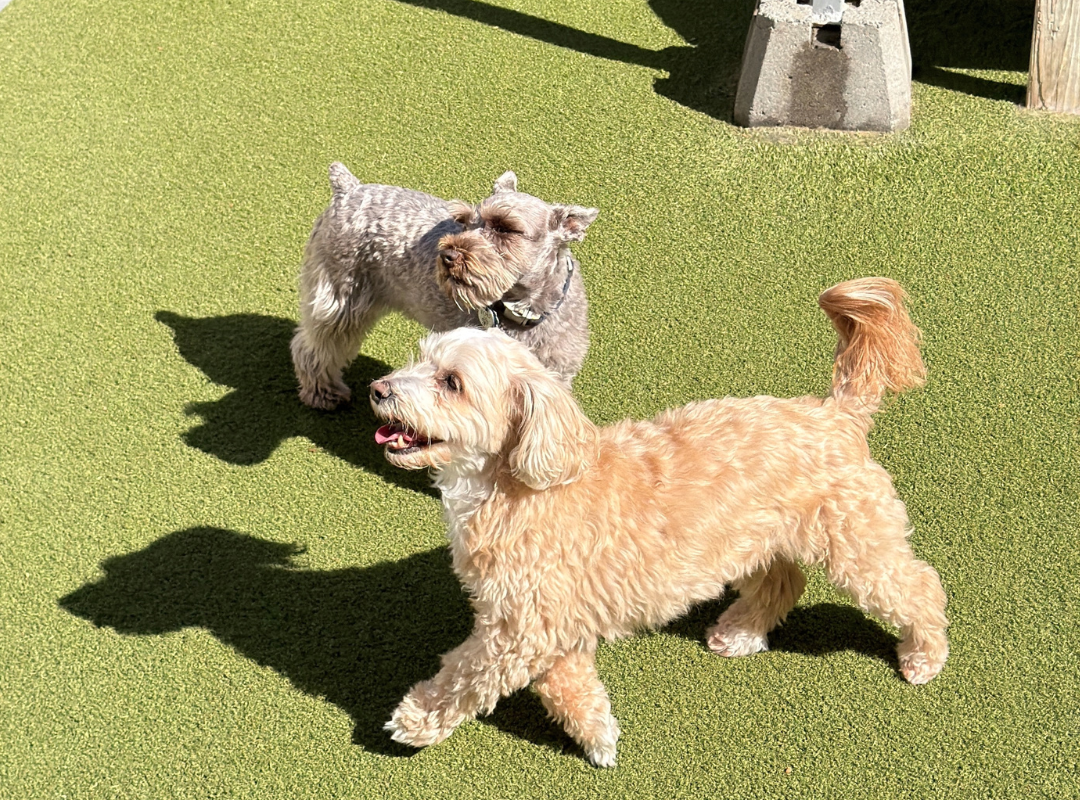
Most doggy daycares exist because someone loves dogs and wants to give them a great experience. But not all dog daycares are created equal.
When choosing a daycare, we encourage dog owners to look beyond how much playtime their dog will get. Ask questions about the daily routine. How are dogs introduced to one another? What happens when play gets too exciting? Are dogs given opportunities to rest? How does the team manage different personalities and energy levels?
These questions can tell you a lot about the environment your dog will be spending time in.
At the end of the day, dogs need structure, guidance, and routine in their daily lives, and that includes their time at daycare. Finding a daycare that understands these needs can help make the experience enjoyable while supporting the behaviors you’re working to encourage.
The Right Daycare Can Be About More Than Burning Off Energy
A tired dog can certainly be a nice bonus after daycare. But daycare can offer your dog much more than a chance to run around for a few hours. With the right structure, dogs can practice socialization, appropriate play, calm behavior, patience, and taking breaks when they need them.
They get to have fun while also learning how to navigate an exciting environment. And those skills can carry over into everyday life, whether you’re taking a walk around the neighborhood, passing another dog at the park, or simply welcoming a new friend into your home.
At Impawsible Pups, we understand how important these everyday behaviors are. Our approach to doggy daycare emphasizes the structure, guidance, and social opportunities dogs need to have a positive experience.
Ready to learn more about doggy daycare at Impawsible Pups? Contact our team to see whether our daycare is a good fit for your pup.