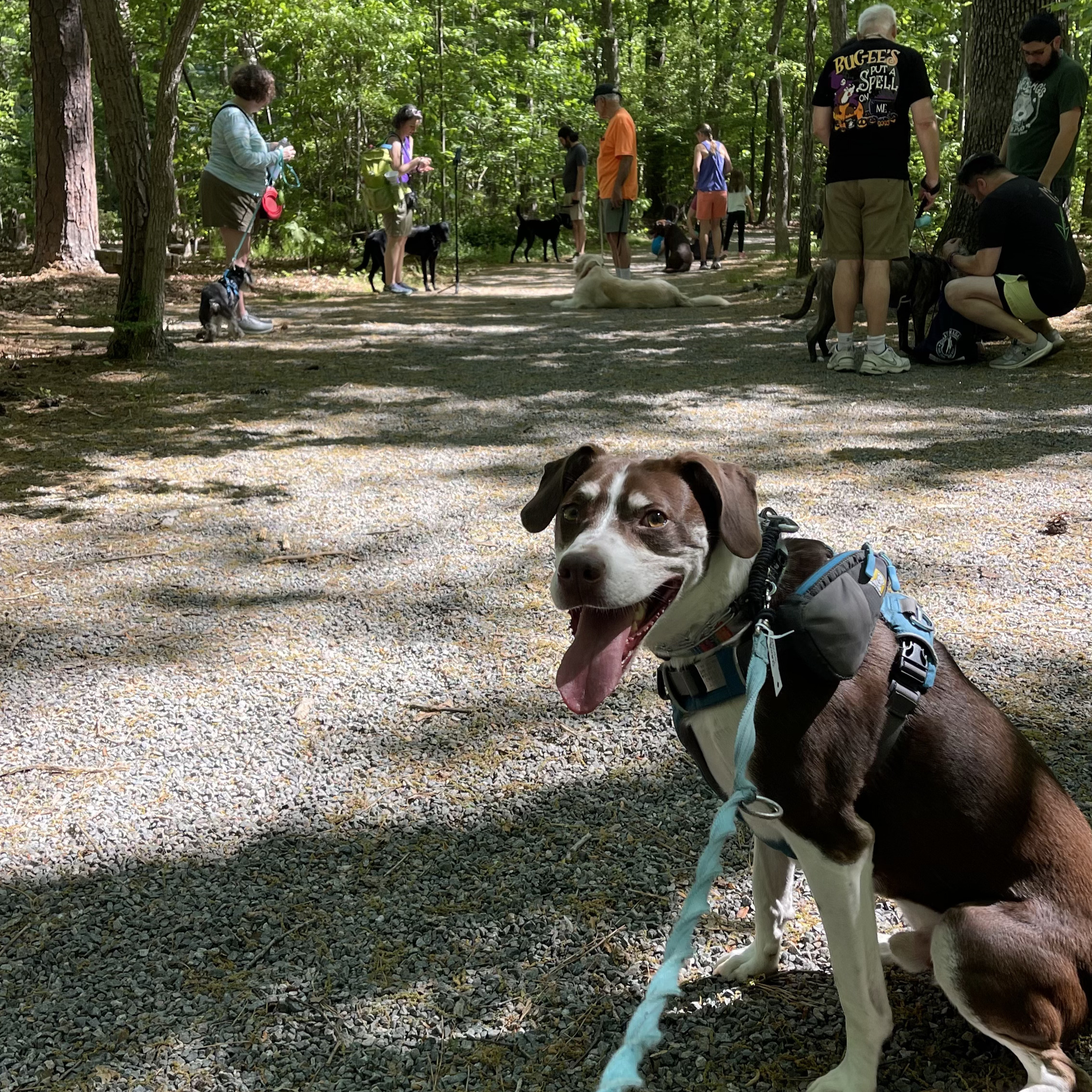
Bringing home a puppy is exciting, adorable, and occasionally a little chaotic.
One minute you’re taking pictures of their tiny paws, and the next you’re wondering how they managed to find something to chew that you didn’t even realize was within reach, like your cellphone charger..
A lot of new puppy parents also have the same question: When should I actually start training? The answer is sooner than you might think.
Puppies are learning from the moment they’re born. They’re constantly taking in information about their environment, the people around them, and what happens when they do certain things. That means training doesn’t necessarily begin with teaching your puppy to sit or stay. It begins with helping them learn how to navigate the world around them.
What you focus on will change as your puppy grows, but starting early gives you a much better foundation for everything that comes later
When Is the Right Time to Start Training Your Puppy?
Puppy training starts right at birth.
Of course, what a puppy is capable of learning at a few weeks old is very different from what they can learn at four or six months. In those first few months, the focus should be on socialization and basic life skills, like house training, appropriate play, and learning how to be comfortable in different situations.
You can introduce basic commands during this time, but it’s important to have clear expectations set. Puppies have short attention spans. Asking a very young puppy to focus on formal obedience for extended periods is a little like expecting a one-year-old to sit down and learn how to read.
Ideally, formal obedience training can begin around four months of age. Before then, there is plenty of important work happening behind the scenes.
Why Is Early Puppy Training Important?
What your puppy learns early can become part of their normal routine as they grow.
You’ve probably heard the saying, “You can’t teach an old dog new tricks.” Older dogs can absolutely learn new things. The challenge is that changing an established routine can take more time and consistency than teaching a behavior from the beginning.
That’s one reason early training is so valuable.
If you establish clear guidelines while your puppy is young, they have a better understanding of what is expected of them as they get older. You’re giving them consistent information about how things work in your home before they reach adolescence and start becoming a little more independent.
And yes, that independence is coming.
The puppy who happily follows you around the house may eventually decide that investigating something else sounds much more interesting than listening to you. When that happens, having consistent expectations already in place can make a big difference.
The goal during puppyhood is to establish the habits and boundaries you want your dog to carry into adulthood.
What Should a Puppy Training Routine Look Like?
Early puppy training should focus on boundaries and everyday life skills just as much as traditional obedience
A well-trained dog isn’t simply one who can sit when you ask. Training should eventually help your dog understand how to behave in the situations they encounter every day.
For example, sitting at the door instead of rushing through it. Or going to their bed when guests arrive instead of jumping all over them. Those skills make everyday tasks with your dog much easier.
The important part is remembering that your puppy won’t learn all of this at once.
A good dog training routine for a young puppy should involve short sessions throughout the day. If your puppy is already overwhelmed after five minutes, there isn’t much value in pushing them through another 25 minutes simply because you planned a 30-minute training session.
Instead, look for small opportunities to practice. You might work on sitting before going outside, waiting before getting their food, coming when called, or settling in their crate. A few minutes here and there can add up quickly, especially when you’re consistent.
What Should You Focus on During the First Stages of Puppy Training?
Socialization. Socialization. Socialization.
You may have heard that puppies should meet 100 new and different people every day. While that isn’t necessarily realistic for every puppy or every family, the idea behind it is important.
Your puppy needs exposure to a variety of people, environments, sounds, and experiences while they’re young. Those experiences help them learn that the world is full of different things and that new doesn’t automatically mean scary.
Vaccinations are another consideration during this stage. Young puppies haven’t completed their full vaccination schedule, so you’ll need to be thoughtful about where you take them. If you’re taking your puppy somewhere before they’re fully vaccinated, carrying them can help limit their exposure to areas where unknown dogs have been. Dog parks and other high-volume areas with unknown dogs should be avoided. Daycare is another area where age matters. Puppies shouldn’t attend daycare before 12 weeks of age.
Your veterinarian can help you understand your puppy’s vaccination schedule and what types of outings and activities are appropriate at each stage.
How Should Your Dog Training Routine Change as Your Puppy Grows?
Your training routine should grow with your dog.
At first, you’ll spend a lot of time on socialization, appropriate play, and basic life skills. As your puppy gets older, you can gradually put more emphasis on obedience and more complex skills.
The early stages can actually feel surprisingly easy. Your puppy is small, tires easily, and hasn’t developed much independence yet. Then adolescence arrives, and suddenly your dog may decide that listening to you is optional. This is where all that early consistency becomes important.
Your dog’s physical needs will change, too. As puppies grow, they need more opportunities for appropriate exercise and activity. They also still need a tremendous amount of sleep compared to adult dogs, so rest should be part of your routine just like training, play, and exercise. Sometimes the answer to a wild puppy isn’t another activity. It’s a nap.
What Are Common Mistakes to Avoid When Training a Puppy?
The biggest mistake we see is expecting too much too soon.
Puppies are babies. They’re curious, they’re still learning how the world works, and they’re going to make mistakes… like chewing things they shouldn’t, like a laptop charger.
Giving your puppy appropriate things to chew, plenty of downtime, and a safe place to rest can help prevent some of the behaviors that become frustrating later. A crate can be especially useful for helping puppies learn how to settle when they aren’t actively playing or training.
Supervision is important, too. If your puppy is loose in the house, keep an eye on them. Watch for signs that they need to go potty. Take them out at regular intervals. If they’re getting into something they shouldn’t, redirect them toward something appropriate.
This may feel like a lot of work in the beginning, and honestly, it can be. But puppies don’t come home knowing how to be a well-behaved member of the household. That’s something you teach them over time.
Giving them realistic expectations makes the process much easier for everyone.
When Should You Consider Professional Dog Training?
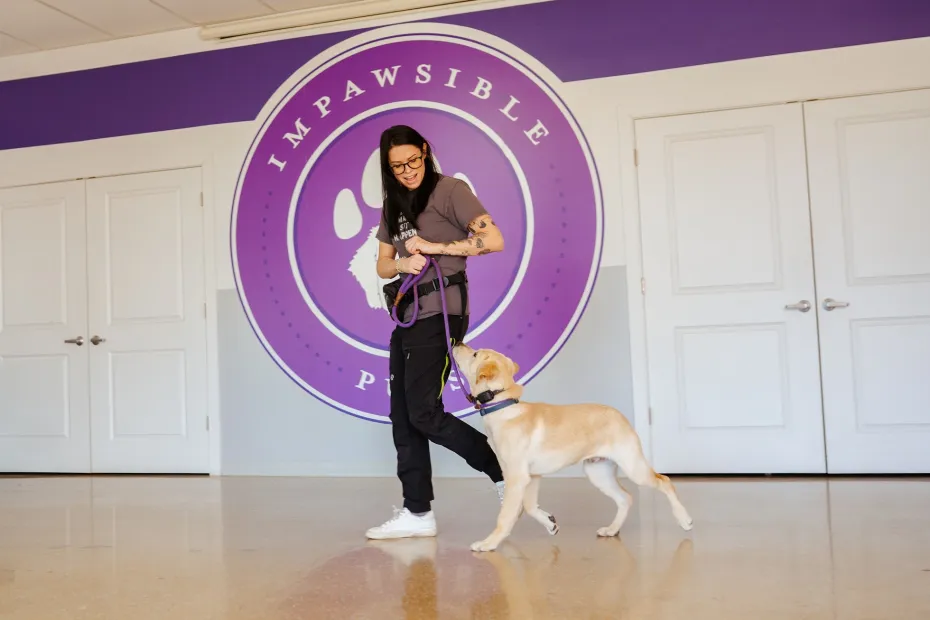
You don’t have to wait until you have a problem to contact a professional dog trainer. In fact, talking with a trainer before you even bring your puppy home can be incredibly helpful. A professional can point you to good resources and help you understand what to expect during those first few months, how your dog learns, what they are ready for at each stage, and how to communicate with them clearly and consistently.
You’re building a relationship with your dog, and having someone guide you through that process can make it much less overwhelming.
At Impawsible Pups, our goal is to support you through every stage of that relationship.
Build a Strong Training Foundation With Impawsible Pups
The training staff at Impawsible Pups works with dogs at all different stages of life, from young puppies learning how to interact with the world to senior dogs who need a little extra support as they age.
For puppies, our Puppy Camp and Puppy STAR Group Class focus on socialization and early handling, giving young dogs opportunities to learn and experience new things in a structured environment.
As your dog gets older, we offer several obedience training options depending on what works best for your family. That includes Train While You Work, Sleep Away Camp, and one-on-one obedience training where owners are involved throughout the process.
Our Senior Class is designed to address some of the challenges that can come with age while helping older dogs avoid injuries and illness.
Every dog develops at their own pace. You don’t need to have the perfect puppy, and you certainly don’t need to know everything before they come home. What matters is knowing what your puppy is ready to learn, giving them consistent expectations, and getting professional guidance when you need it.
Ready to get started? Contact the Impawsible Pups team to schedule your free consultation and learn which training class is right for you and your pup!