
E-collars are one of the most debated tools in dog training. Depending on who you ask, you’ll hear they’re either an incredibly effective communication tool or something that should never be used at all. The truth is somewhere in between. Like any training tool, an e-collar is only as effective as the knowledge and intent of the person using it. An e-collar is not a shortcut, a replacement for training, or the right choice for every dog. When used correctly, however, it can be one tool that helps some dogs build reliability and freedom.
An e-collar (electronic collar) is a general term for any collar that uses electricity to function. This includes vibration collars, stimulation collars (“stim collars”), citronella collars, remote collars, and hidden fence collars.
It’s important to note that, in the animal world, an “e-collar” can also refer to an Elizabethan collar (or cone) used in veterinary settings, but that’s not what we’re talking about in this blog.
Before deciding whether an e-collar is right for your dog, it’s important to understand what it actually is, and what it isn’t. Here’s what you need to know.
Common Myths About E-Collars
Myth 1: E-collars can burn my dog.
Truth: E-collars do not produce heat, so they cannot burn a dog. In fact, quality e-collars use similar technology to therapeutic devices such as TENS units. That said, an e-collar can create pressure sores if it’s worn too tightly or left on for too long, which is why proper fit and use are important.
Myth 2: E-collars are used because owners and trainers are lazy and don’t want to do the work.
Truth: E-collars definitely do not speed up training. Weeks, and often months, of foundation work should happen before an e-collar is ever introduced. A good trainer wants the dog to fully understand what’s being asked of them with or without the e-collar.
Once it’s introduced, the e-collar becomes a communication tool between the owner and the dog, a subtle reminder that the owner is still communicating, even when the leash isn’t attached.
Myth 3: E-collars are extremely painful.
Truth: An e-collar is meant to be a way to communicate with your dog. The goal of e-collar training is not to create pain. A skilled trainer introduces the tool gradually and uses the lowest effective level needed for communication with that individual dog. The goal is always clear communication and safety, helping prevent situations where a dog might run off after wildlife and get into danger.
How E-Collars Can Be Used Safely and Responsibly
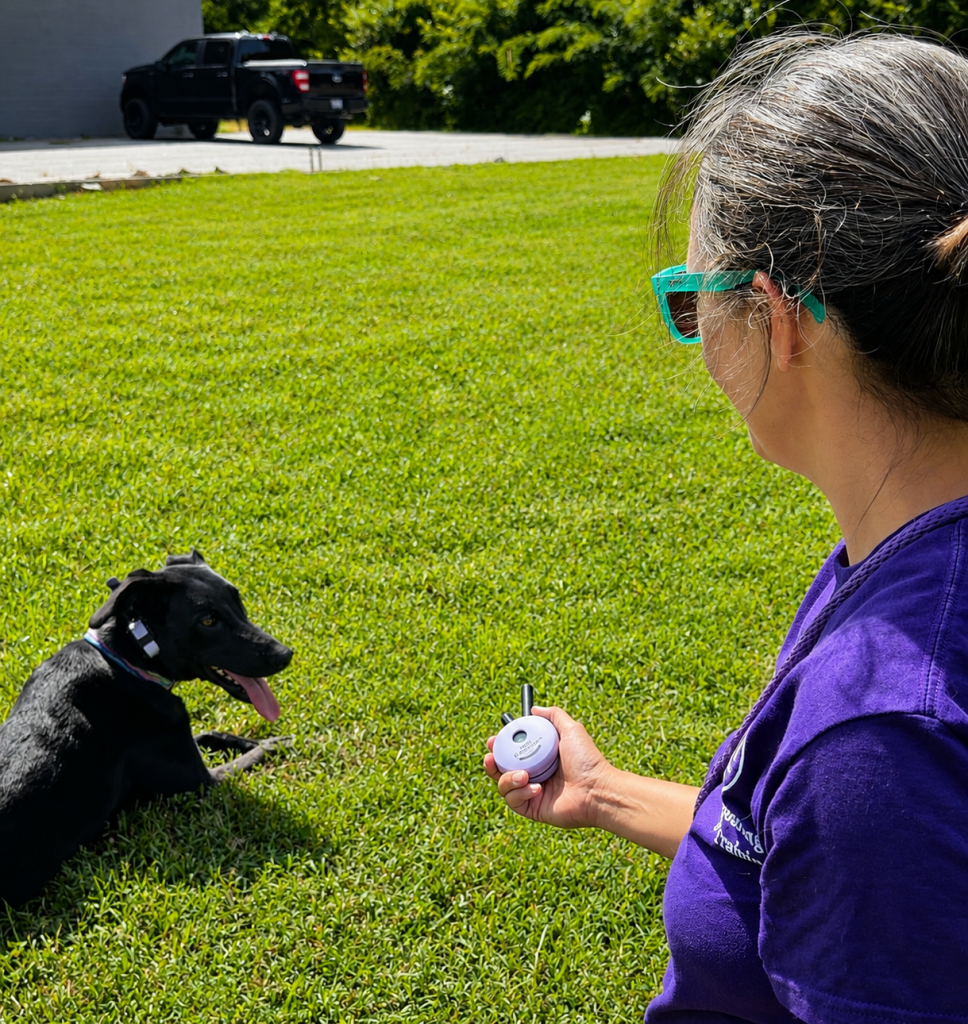
The best way to use an e-collar safely and responsibly is to consult a professional dog trainer.
It’s important to remember that not all e-collars are created equal, and not all dogs have the same needs. Working with a trainer who understands both the tools and canine body language helps make the training process clearer, safer, and more comfortable for your dog.
Are E-Collars the Right Training Tool for Every Dog?
No. Not all dogs should use e-collars. There are a variety of factors to consider, with the biggest being the dog’s lifestyle.
A small apartment dog who only walks through the city and has a naturally calm disposition probably doesn’t need an e-collar. A large, energetic Labrador who loves hiking and swimming, however, could benefit greatly from one.
I’ve owned five dogs in my adult life so far. Two were never e-collar trained.
The first was a small Maltipoo. Did he have the right disposition for e-collar training? Absolutely. But while I took him hiking, swimming, and on plenty of adventures, I never felt comfortable letting him off leash because of his size.
The second was a nervous bulldog mix. She simply wasn’t well-suited for e-collar training and only ever wanted to stay close to my other dogs or me anyway.
Why Professional Guidance Matters When Using an E-Collar
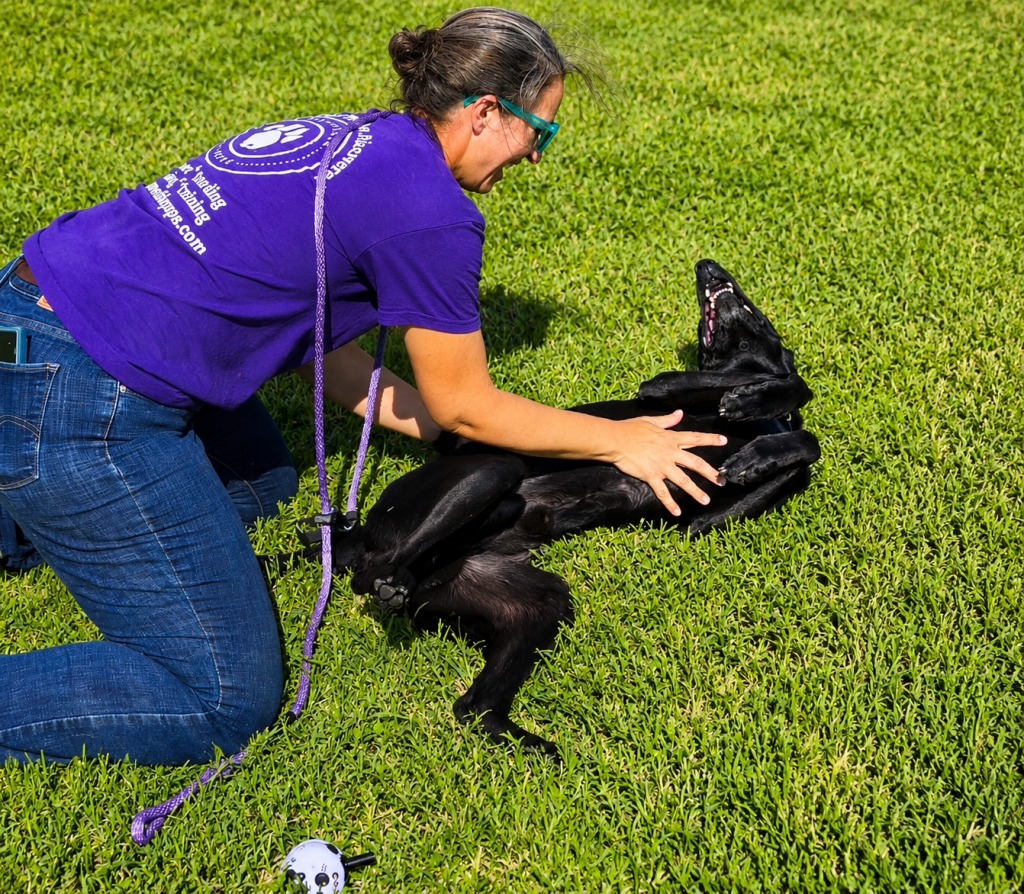
As mentioned earlier, there’s a lot to learn when it comes to using an e-collar properly. Questions a trainer may consider during a consultation include:
- Is an e-collar the right training tool for this dog?
- What size e-collar should be used?
- What stimulation level is appropriate for this individual dog?
From there, your trainer is with you throughout the entire process so you’re informed on what training can look like. They’ll guide you through introducing your dog to e-collar training while also helping you work through any concerns, whether they’re related to the e-collar or not.
Frequently Asked Questions About E-Collars
Do e-collars hurt dogs?
An e-collar can cause discomfort at certain levels, but discomfort is not the same as pain. The technology used in e-collars stimulates muscles, causing them to contract and create a response in the dog.
Can I train my dog with an e-collar on my own?
Can and should are two very different words.
Yes, it’s completely possible to train your dog using an e-collar on your own, and there are plenty of books and videos that explain how. But I wouldn’t recommend it. Poor-quality tools, improper timing, or simply moving too quickly can set your dog back in the training process.
Working with a dog trainer gives you guidance every step of the way and helps ensure your dog has the best possible experience.
Are e-collars only used for behavior problems?
Absolutely not.
Can e-collars be used for behaviors like excessive barking or jumping on counters? Sure. But those are rarely my first reasons for choosing one.
I use e-collars because I want my dogs to have more freedom.
- Freedom to run the trails ahead of me.
- Freedom to play off leash in an open field.
- Freedom to swim in a river.
- Freedom to simply be a dog.
Using an e-collar allows my dogs to enjoy that freedom while also giving me peace of mind.
Choosing a Training Program That Puts Your Dog First
When choosing a training program, take the time to get to know the trainer. Ask about their methods, their experience, and whether they’ll tailor their approach to your dog rather than relying on a one-size-fits-all solution.
At the end of the day, trust your gut. If you don’t feel comfortable with your trainer, you’re less likely to enjoy the process or stay consistent, and that can affect your results.
At Impawsible Pups, every dog is evaluated as an individual before any training tools are recommended. E-collars are never a one-size-fits-all solution and are only introduced when they’re appropriate for the dog’s personality, lifestyle, and training goals. Our focus is always on building clear communication, confidence, and a stronger relationship between dogs and their owners.
Not sure whether an e-collar is the right fit for your dog? The best first step is an evaluation with a professional trainer who can look at your dog’s temperament, lifestyle, and goals before recommending any tools. We’d love to meet you, learn about your goals, and create a training plan that’s tailored specifically to you and your pup!