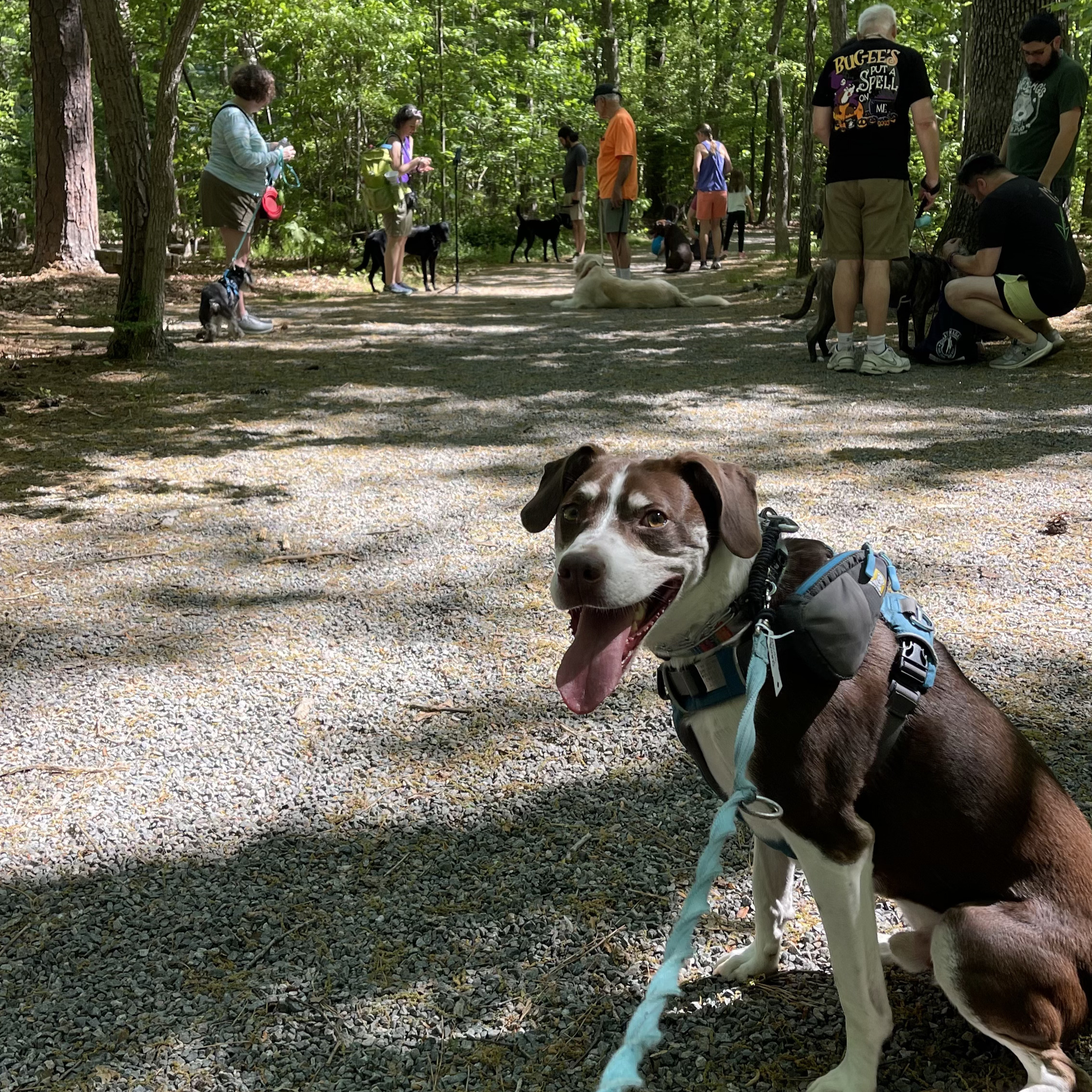
Deciding what’s best for your dog isn’t always straightforward, and sometimes it means asking hard but important questions. Wondering whether you need to rehome your dog is not an easy question to ask, and sometimes it can come with guilt, stress, and second-guessing. But the reality is that you’re not doing anything wrong by thinking carefully about what’s best for your dog and your family.
At Impawsible Pups, we have these conversations with dog owners every day. Sometimes professional dog training helps things click, and life at home gets easier. Other times, even when you’ve put in the work, rehoming may be the most realistic and caring choice. Both come from wanting the best for your dog.
If You’re Thinking About Rehoming, You’re Not a Bad Dog Owner
One of the most important things to remember is that your dog’s happiness matters too. If your dog isn’t thriving in your home, it doesn’t mean either of you has failed, it might just mean the fit isn’t right.
Dogs have different needs, energy levels, and personalities. Recognizing when those needs don’t line up with what you can realistically provide is not giving up. Thoughtful rehoming, when done honestly and responsibly, can be the most beneficial decision you can make for you and your dog.
Common Reasons Owners Consider Rehoming Their Dog
Many caring dog owners face challenges they didn’t expect. Some of the most common reasons people consider rehoming include:
- Hyperactivity that’s difficult to manage, especially in homes with young children or seniors
- Aggression toward other animals in the household
- Aggression toward people
- Excessive barking, particularly in apartments or shared living spaces
- Financial strain or unexpected expenses
- Major life changes, including illness or the death of a family member
These situations are complex and personal. Feeling conflicted on what you should do doesn’t make you a bad pet owner, it means you’re trying to make a thoughtful decision.
Behavior Problems That Often Improve With Dog Training
Dog training is about more than teaching commands. It gives you and your pet the opportunity to communicate better. With guidance and consistency, training opens the door to better physical outlets for your dog’s energy. A professional dog trainer will also help you find the right routine for you and your pet, as well as explore options beyond basic obedience, which can make a real difference for dogs struggling with hyperactivity.
With the right approach, dog training can help by:
- Providing tools to manage energy and reduce overstimulation
- Offering guidance for households with multiple animals and helping pets coexist more safely
- Gradually desensitizing dogs to specific triggers, such as prey drive toward cats or other small animals
- Addressing some forms of aggression toward people, depending on the cause and trigger (for example, fear-based warning behaviors versus more serious attacks)
- Improving certain barking behaviors, depending on why the dog is barking, separation anxiety may be workable, while breed-related vocal tendencies are often more about management
It’s important to keep expectations realistic and to remember that dogs are not computers that can be “reprogrammed.” Meaningful change takes time, consistency, and often some lifestyle adjustments along the way.
When Training Alone May Not Be Enough
There are situations where training, even when done well, isn’t enough to make things sustainable long-term. Breed traits, energy levels, and household capacity all play a role. A high-energy, high-drive Belgian Malinois may simply be too much for a family with young children or for someone hoping for a casual walking partner. Likewise, a Basset Hound may not be the best fit for someone looking for a running companion.
In some cases, the level of attention required is more than a household can realistically maintain. If keeping everyone safe depends on constant supervision or if not all family members are able to consistently follow training guidelines, it’s okay to acknowledge that the situation isn’t working.
People-directed aggression is especially serious. Keeping a dog that puts you, your family, or visitors at risk carries safety and legal concerns. While training can sometimes help, a history of bites that break skin or draw blood significantly increases risk. (This does not include normal puppy teething, those sharp little teeth hurt, but puppies don’t know better yet.)
Training also can’t fix financial hardship, illness, or major life changes. If rehoming becomes necessary for these reasons, seeking some training beforehand can still be helpful. A trained dog is often easier to place, and many trainers can help guide you through the rehoming process or connect you with trusted rescues.
Finally, training can’t change genetics. Herding breeds will always want to herd. Huskies are known for being vocal. Training can help manage these natural dog tendencies, but it won’t erase them.
Questions to Ask Yourself Before Rehoming Your Dog
Before making a final decision, it may help to step back and ask yourself a few honest questions:
- Have you explored all reasonable options, such as professional dog training, dog walkers, enrichment classes (agility, flyball, etc.), or medication when appropriate?
- Are you able to keep your dog safely in your home while a new placement is being arranged, if needed?
- Are you being fully honest with rescues, shelters, or potential adopters about your dog’s behavior and needs? Transparency helps dogs find the right match more quickly.
- Is the challenge specific to this dog, or does it reflect a broader issue with time, resources, or lifestyle, especially when thinking about future pets?
Answering these questions honestly can help bring clarity, even when the decision itself is difficult.
How Professional Dog Training in Richmond, Virginia Can Help Before You Rehome
Professional dog training can be a helpful resource, whether your goal is to work toward keeping your dog or to prepare for rehoming. A trained dog is generally easier to place, and trainers can assess behavior, offer realistic guidance, and serve as a point of contact for potential adopters or rescue organizations.
Sometimes, working with a trainer reveals a path forward that allows a dog to remain at home, and that’s always our ultimate goal at Impawsible Pups. Even when rehoming is the best choice, having a knowledgeable professional support you through the process can provide reassurance and clarity during a challenging time. Deciding whether to rehome your dog is deeply personal. Leading with compassion, for your dog and for yourself, matters most. Thoughtful, informed decisions are a reflection of care, not failure.
The team at Impawsible Pups is here to support you through training and other services like doggy daycare, grooming, and boarding throughout the greater Richmond area. With experienced staff and a relationship-focused approach, we’re here to help every member of your furry family feel supported.
Contact us to learn more about our professional dog training services in Richmond, Virginia.