A beach day with your dog sounds pretty ideal. Sand, waves, sunshine, and a tired dog sleeping the entire ride home afterward. What could go wrong?
More than most people realize.
At first glance, the idea of taking your dog to the beach off-leash sounds perfect. There’s open space, room to roam, and seemingly endless stimulation. But even the best beach environments come with distractions, safety risks, and unpredictable situations that dog owners can underestimate.
Before unclipping the leash, it’s important to understand what you and your dog are actually walking into.
Are Dogs Allowed Off-Leash at the Beach?
The answer depends entirely on the beach.
Many beaches have seasonal leash laws. In a lot of areas, dogs are required to stay on leash during peak tourist season, usually somewhere between April and October. Some beaches ban dogs altogether during busy months. Others allow off-leash access only during certain hours, like early mornings or evenings.
Before heading out, check the local regulations for the specific beach you’re visiting. A quick search ahead of time saves a lot of stress once you arrive.
Risks of Letting Your Dog Off-Leash
The beach introduces distractions that many dogs have never experienced before, from birds flying overhead to crashing waves. For some dogs, it can quickly become sensory overload. Seagulls alone are enough to trigger a strong chase instinct, and a dog focused on pursuing birds can easily sprint straight into the ocean without realizing how far they’ve gone or how difficult the swim back may be.
Then there’s the issue of saltwater, which many dog owners unfortunately learn about the hard way. A dog may drink far more ocean water than you realize while playing, swimming, or retrieving toys, and what seems harmless in the moment can quickly lead to vomiting, diarrhea, dehydration, or stomach upset later on.
Beyond the stomach issues, the beach itself introduces real safety concerns that simply don’t exist in your neighborhood dog park. Undertows, rip currents, sharp shells, jellyfish, and strong waves can all create dangerous situations, especially for dogs who are overly excited or unfamiliar with the environment.
Even well-socialized, friendly dogs can become a problem off-leash in a busy beach setting. Not every person, child, or dog at the beach wants an unfamiliar soaking-wet Labrador sprinting toward them at full speed.
What Does “Reliable Recall” Actually Mean?
A lot of people think their dog has great recall until they get to the beach and suddenly spend the next 45 minutes yelling their dog’s name while the dog completely ignores them. Reliable recall means your dog immediately returns to you, no matter what is happening around them.
Beaches are incredibly distracting environments, and open space can easily overpower training that seems solid at home. Strong recall is built gradually over time by practicing in increasingly distracting environments. Start in quiet spaces, use a long leash for safety, reward heavily when your dog returns, and make coming back to you feel worthwhile every time.
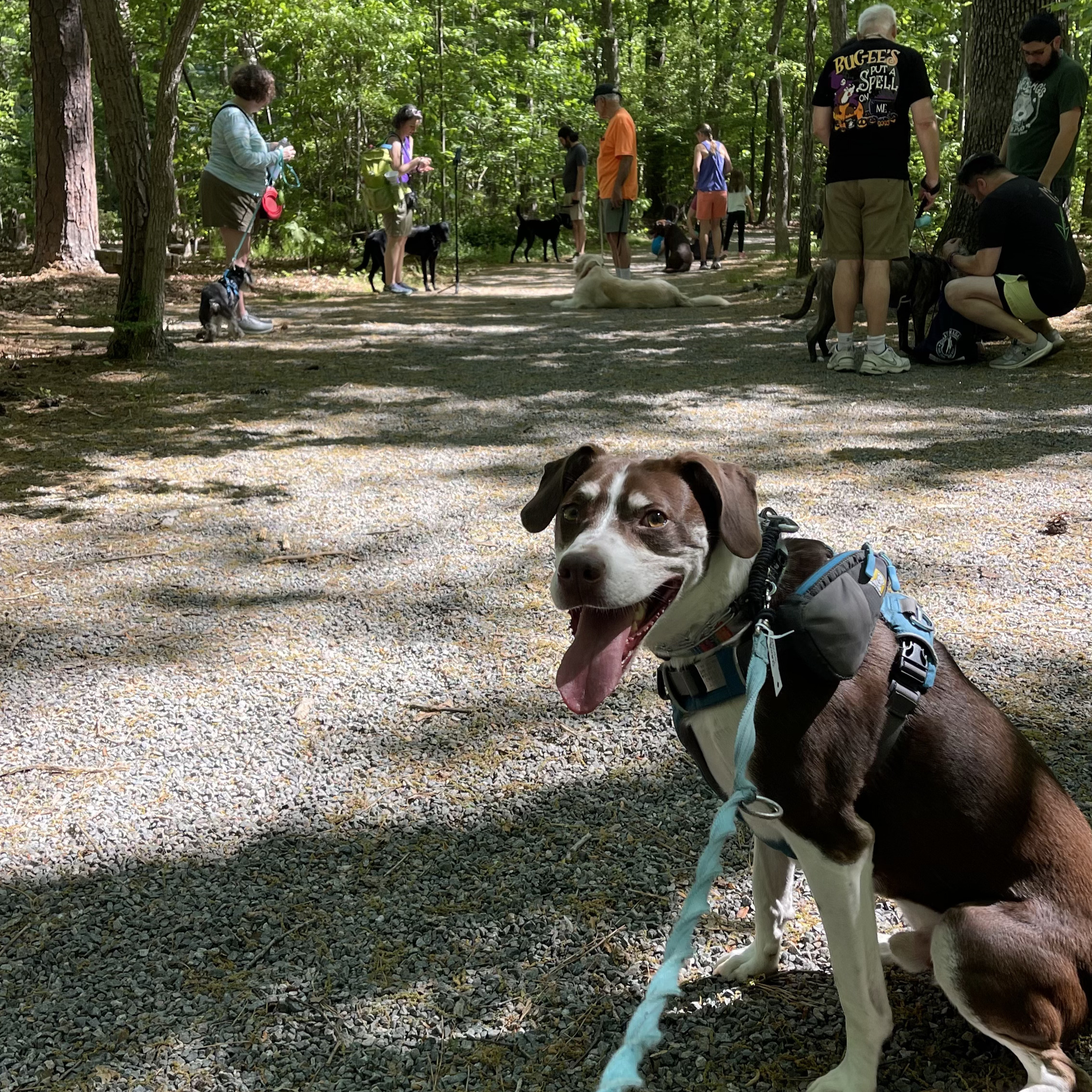
At Impawsible Pups, our dog trainers work with dogs in a variety of real-world situations to help build reliable recall skills and stronger focus around distractions. The beach should never be the place you discover your dog’s recall is not as solid as you thought.
Beach Activities Without Going Off-Leash
The easiest answer is also the safest one. Keep your dog on a leash. But that doesn’t mean the beach suddenly becomes boring.
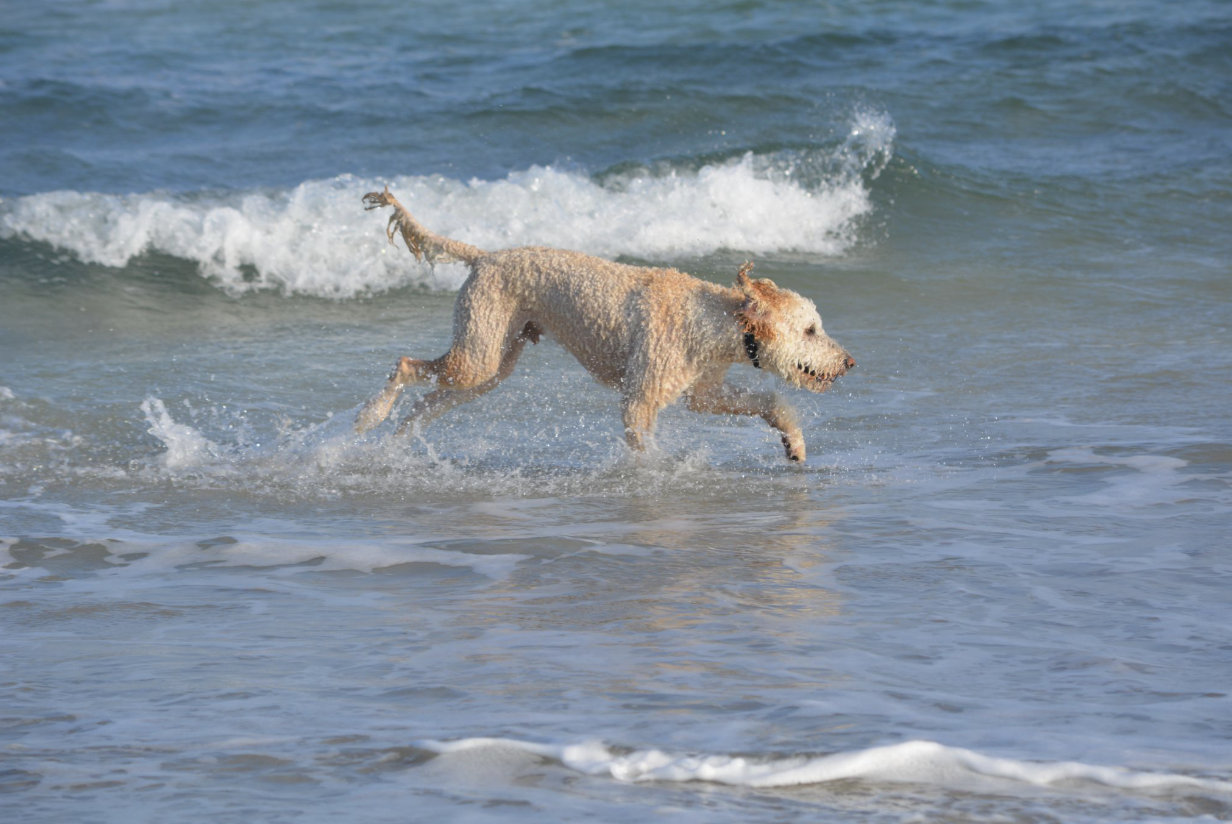
Long walks along the shoreline are great exercise. Playing in shallow surf together can still be incredibly fun. Some dogs love sniffing washed-up shells or checking out horseshoe crabs. You can even turn the beach into a training opportunity. Scent games work surprisingly well in sand. Practicing tricks in new environments helps tire dogs out. Teaching your dog to balance on a paddleboard or kayak can also be a fun challenge if your dog enjoys the water.
If your dog is going out on the water with you, use a properly fitted life vest. Even strong swimmers can get exhausted in currents or waves.
Safer Beach Day Alternatives
If your beach destination has a bay side or sound side, that area can be calmer and safer than the open ocean. The water is usually gentler, with less current and fewer strong waves.
Another helpful tip is to exercise your dog before beach time. A dog arriving at the beach already slightly tired tends to make much better decisions than a dog arriving with maximum energy and zero impulse control.
Sometimes the best beach days are the relaxed ones. Sitting in the shade, walking the shoreline, practicing training, and letting your dog take in the environment without turning it into a free-for-all.
What Training Should My Dog Have Before Off-Leash Beach Time?
Basic obedience alone is not enough. Your pup should already have a strong understanding of essential dog commands, like recall and impulse control, and should be able to listen in the presence of major distractions. They should be able to disengage from exciting things and redirect attention back to you quickly.
Many dogs become extra excited in new places. A dog who listens perfectly at home might completely forget their skills at the beach. This is one situation where working with a professional dog trainer ahead of time can help. It’s much easier to build these skills gradually than to hope your dog figures it out in the moment.
Making the Best Decision for Your Dog
Not every dog is ready for off-leash beach time. Some dogs are nervous around waves. Some hate water entirely. Some get overstimulated so quickly that the whole experience stops being fun for everyone involved. And honestly, some dogs are happiest just walking beside their owner on a leash. That’s completely fine.
A successful beach trip does not require your dog sprinting through the surf with total freedom. Most dogs are perfectly happy exploring, sniffing, training, and spending time with you. Safety should always come first!
Contact us to learn more about our professional dog training services in Richmond, Virginia.